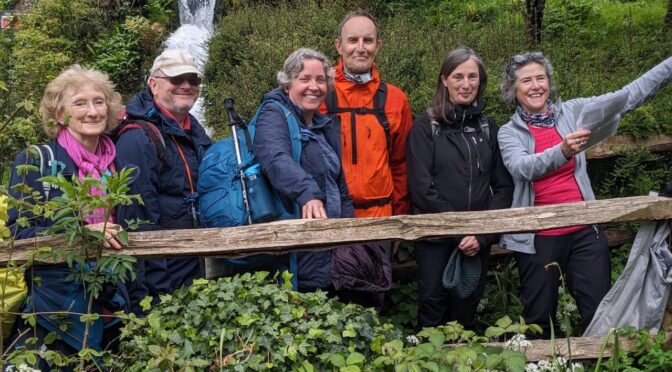
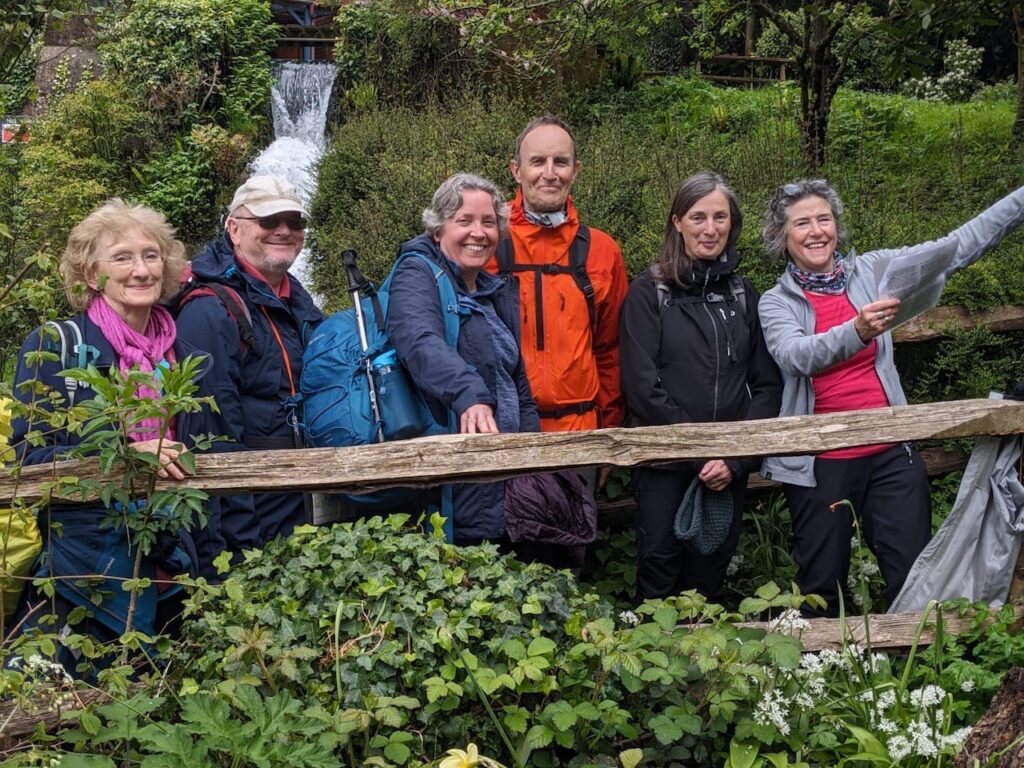
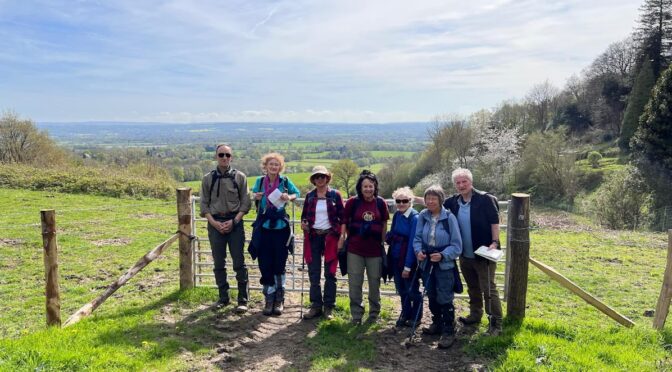
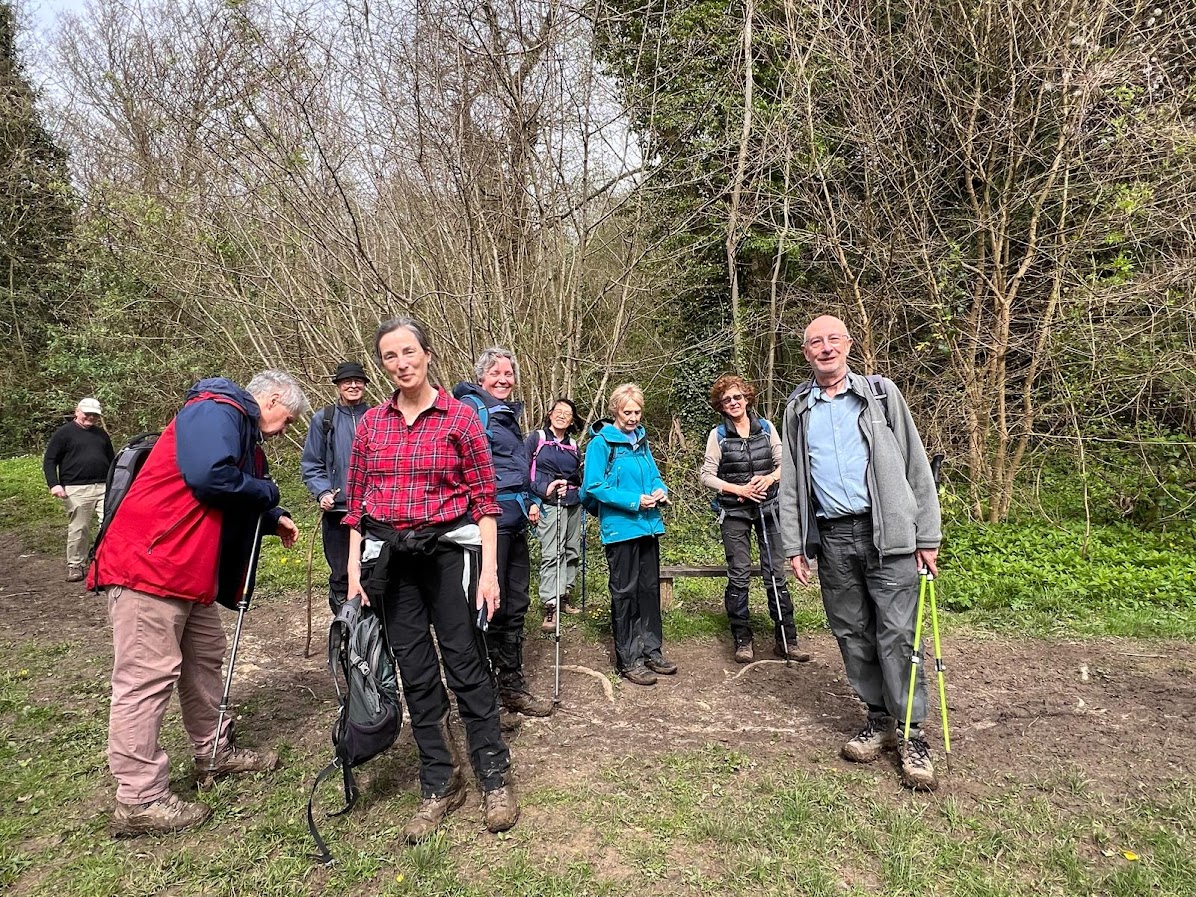
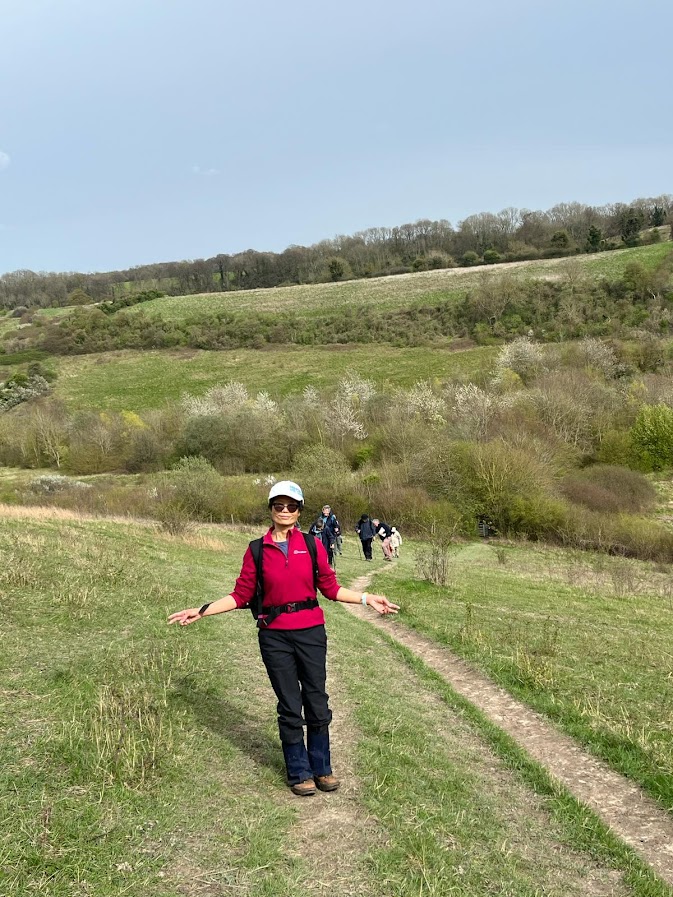
Six Polyramblers assembled at Waterloo Station prepared to brave the vagaries of South Western’s rail replacement buses. We were rewarded with a direct bus from Guildford to Petersfield , where we were joined by another Polyrambler, and thus were able to start the walk earlier than anticipated.
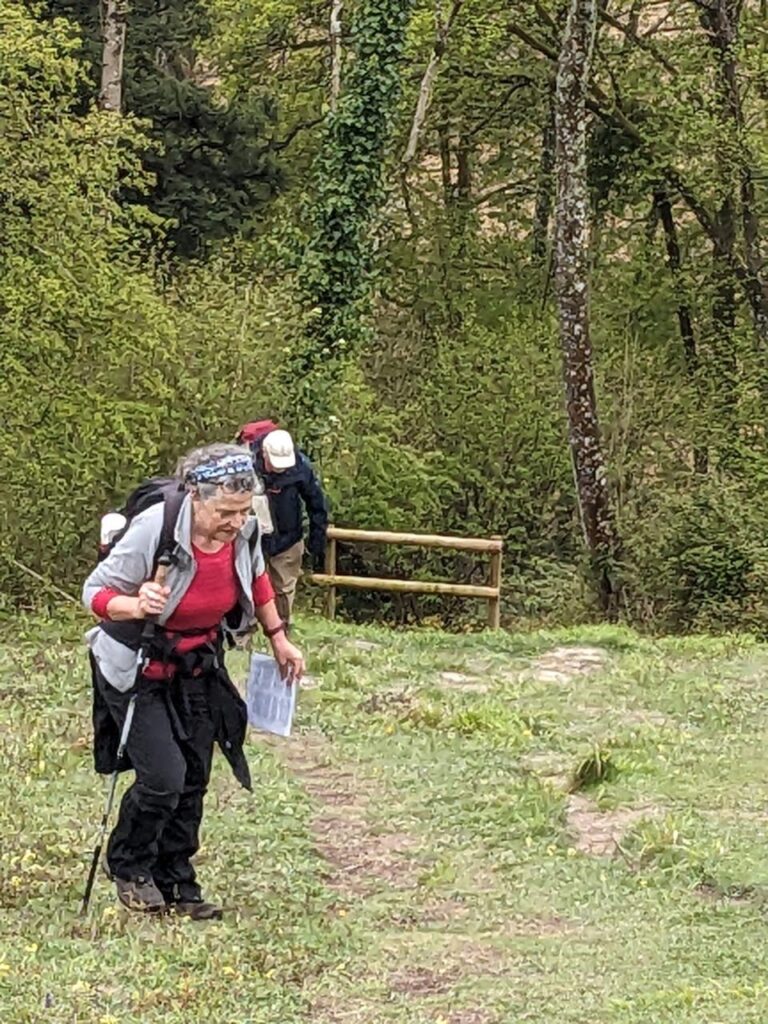
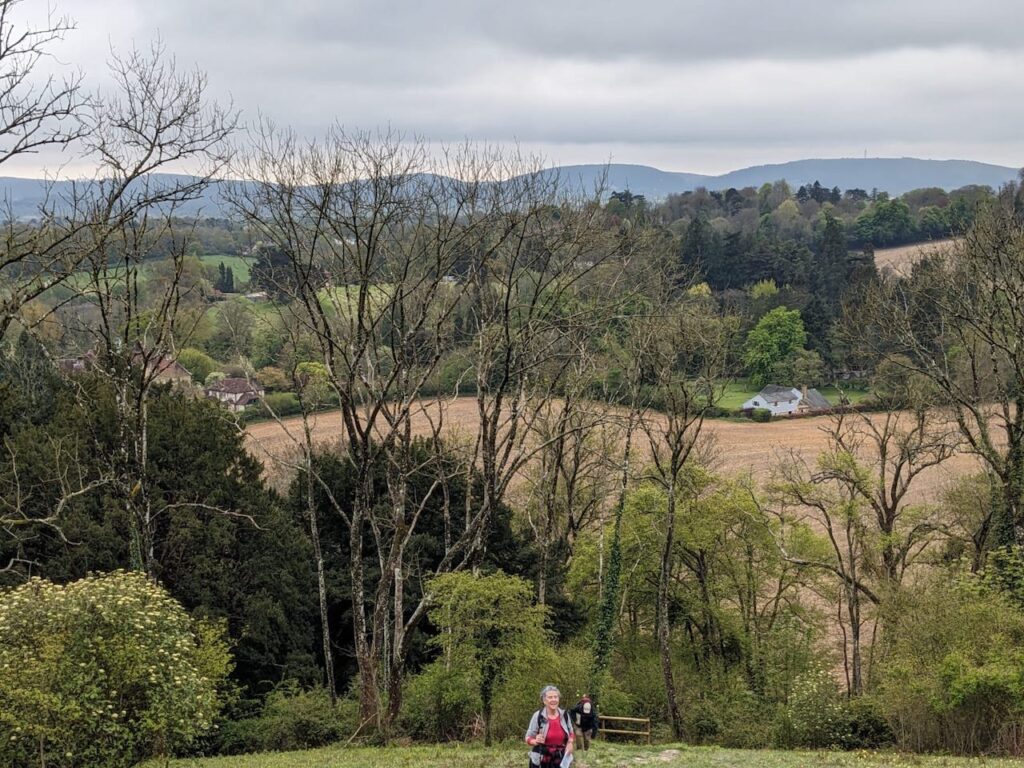
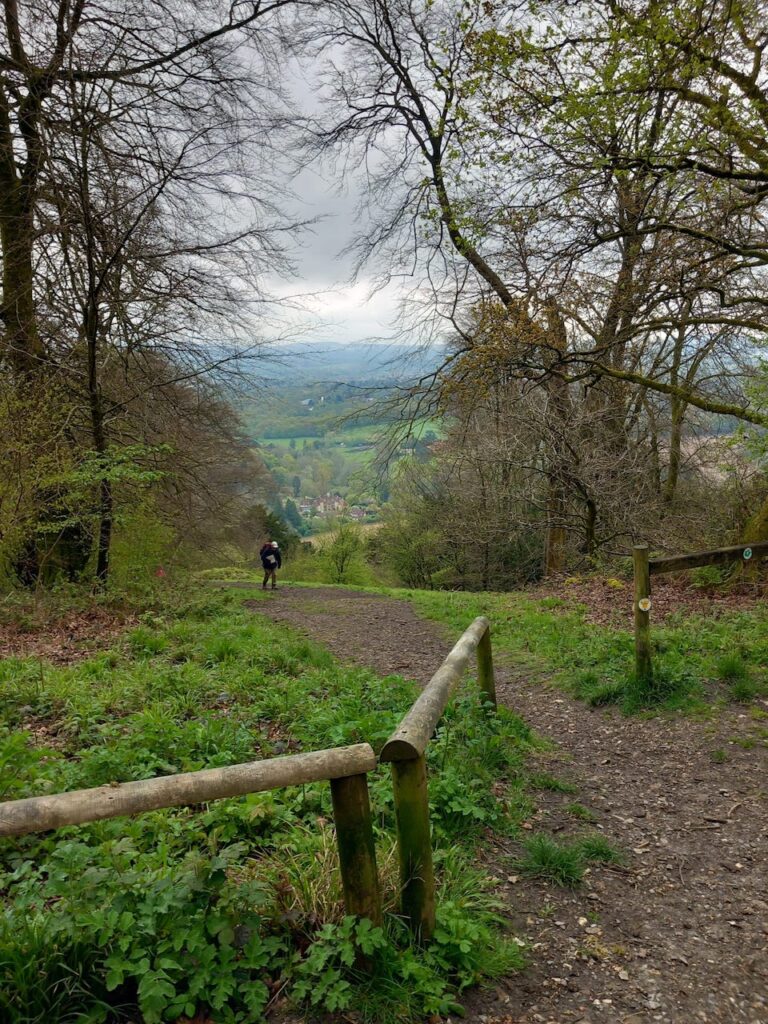
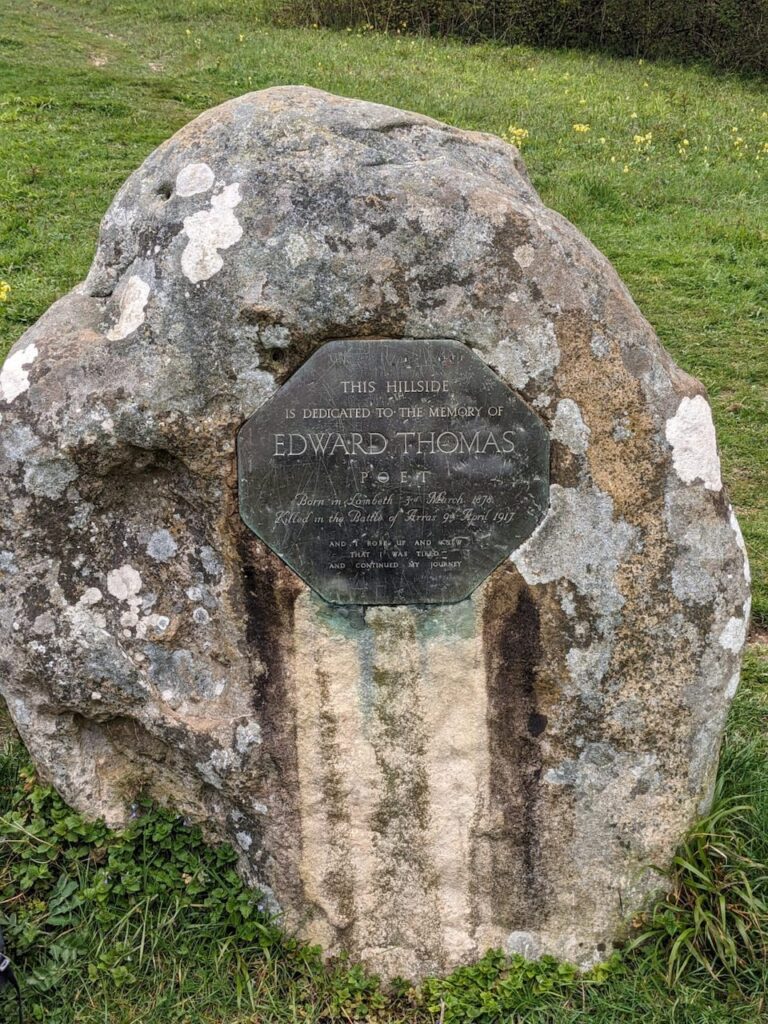
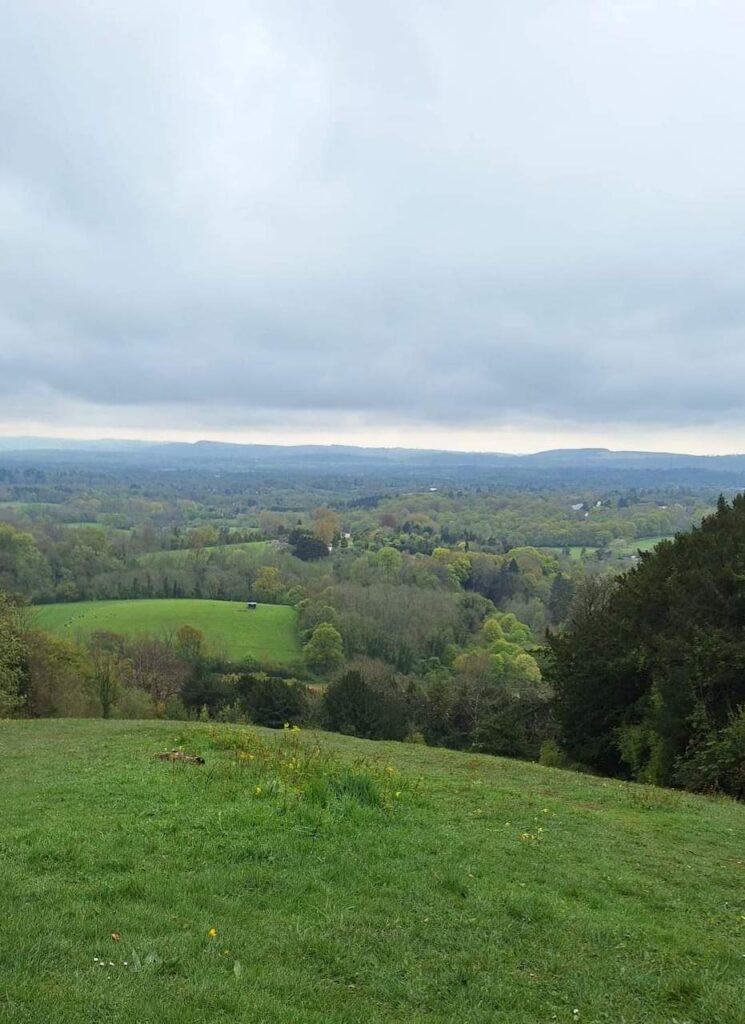
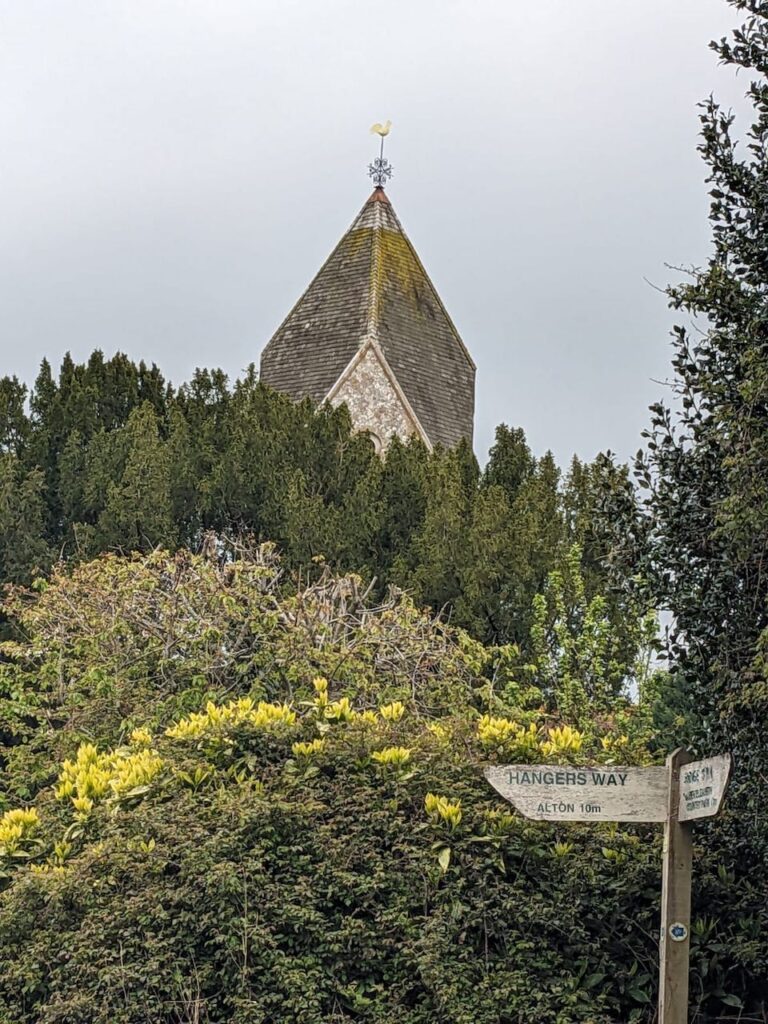
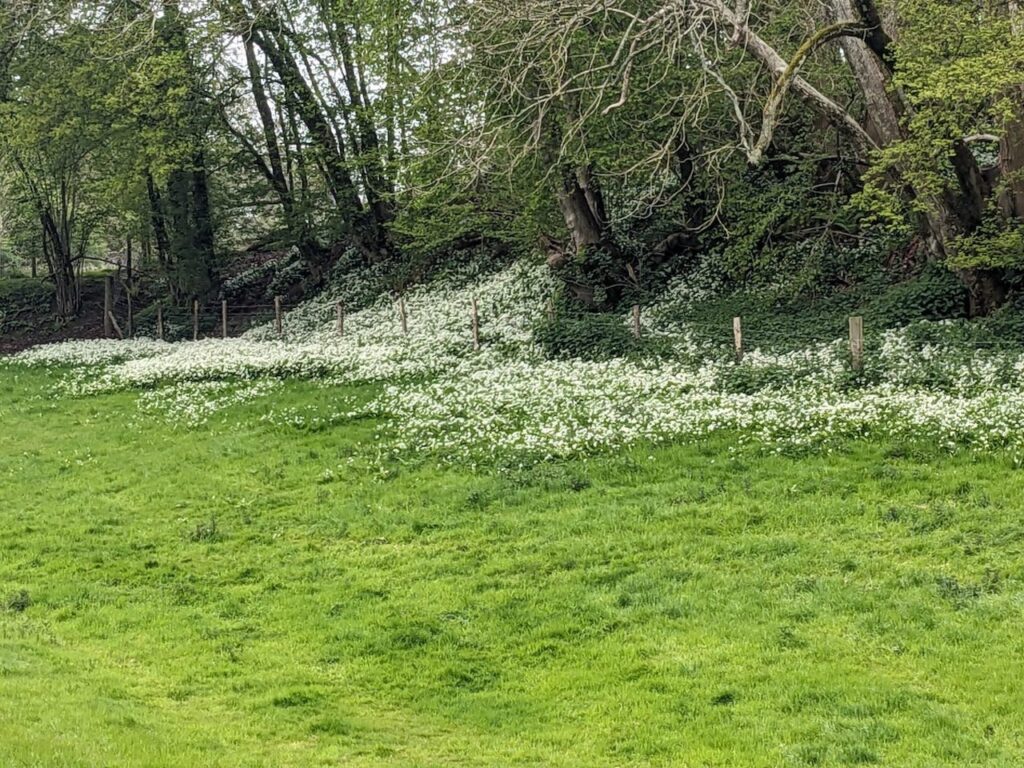
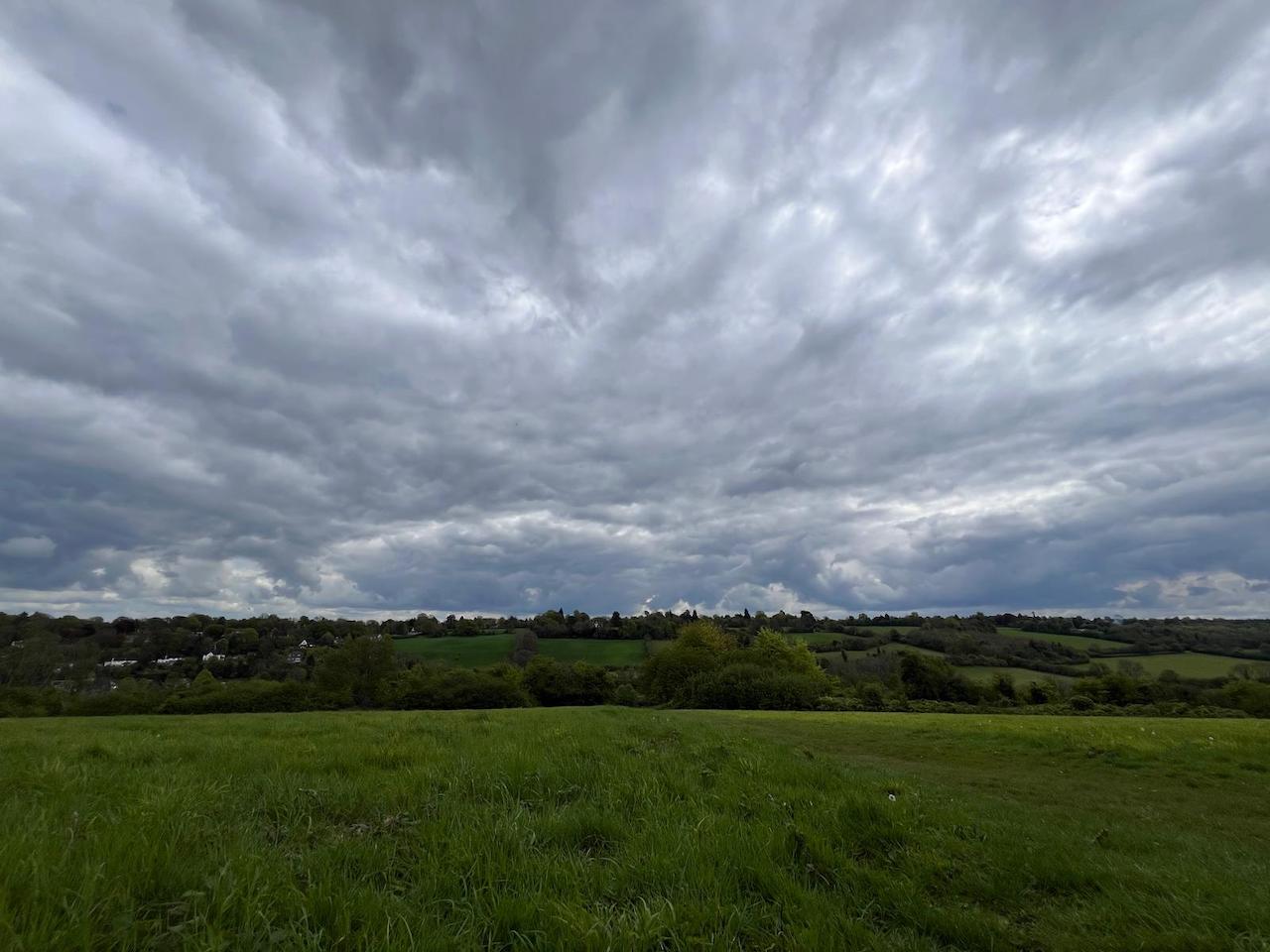
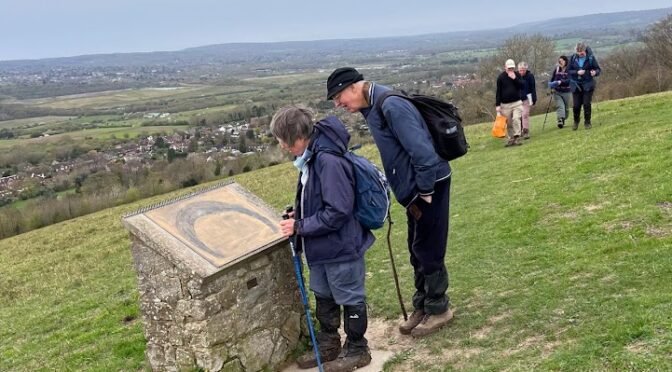
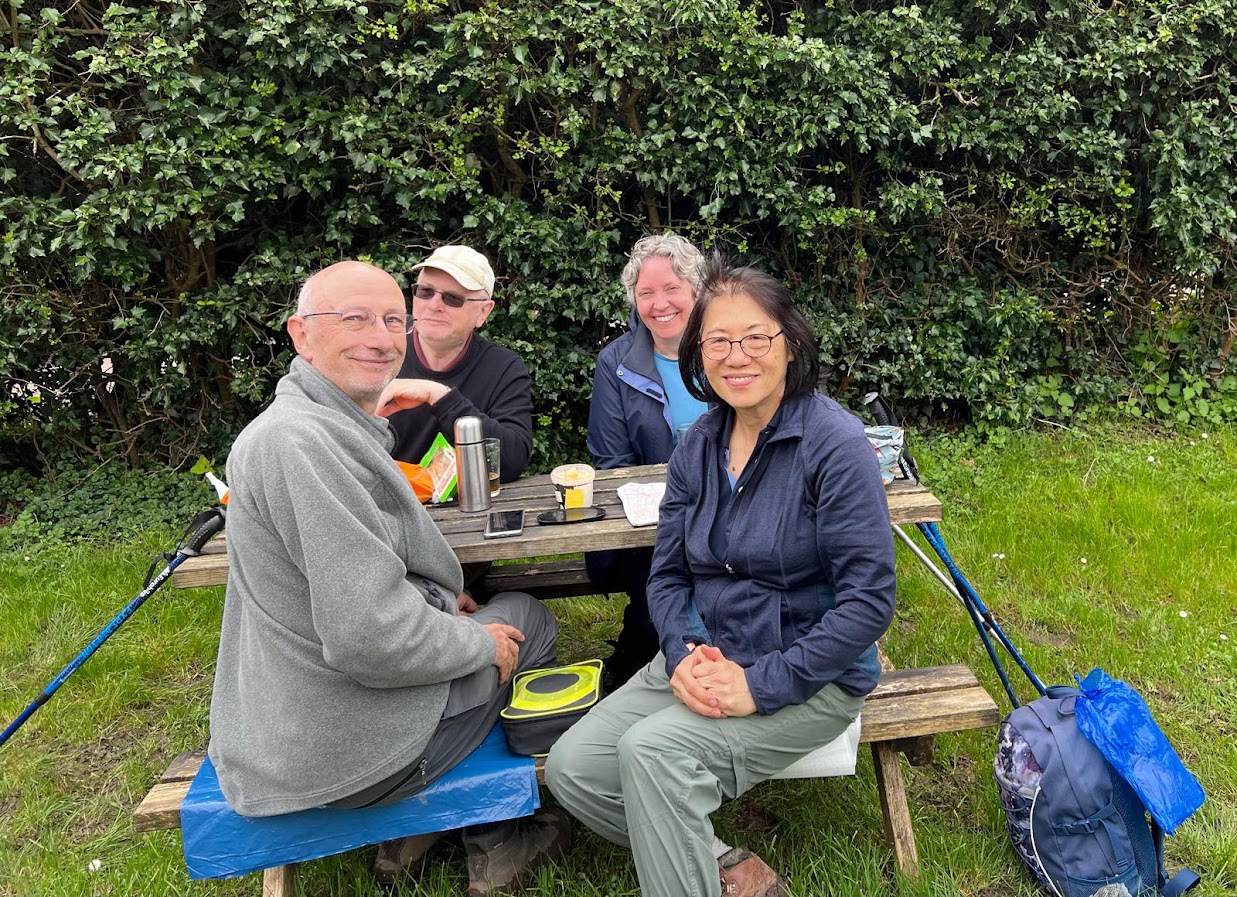
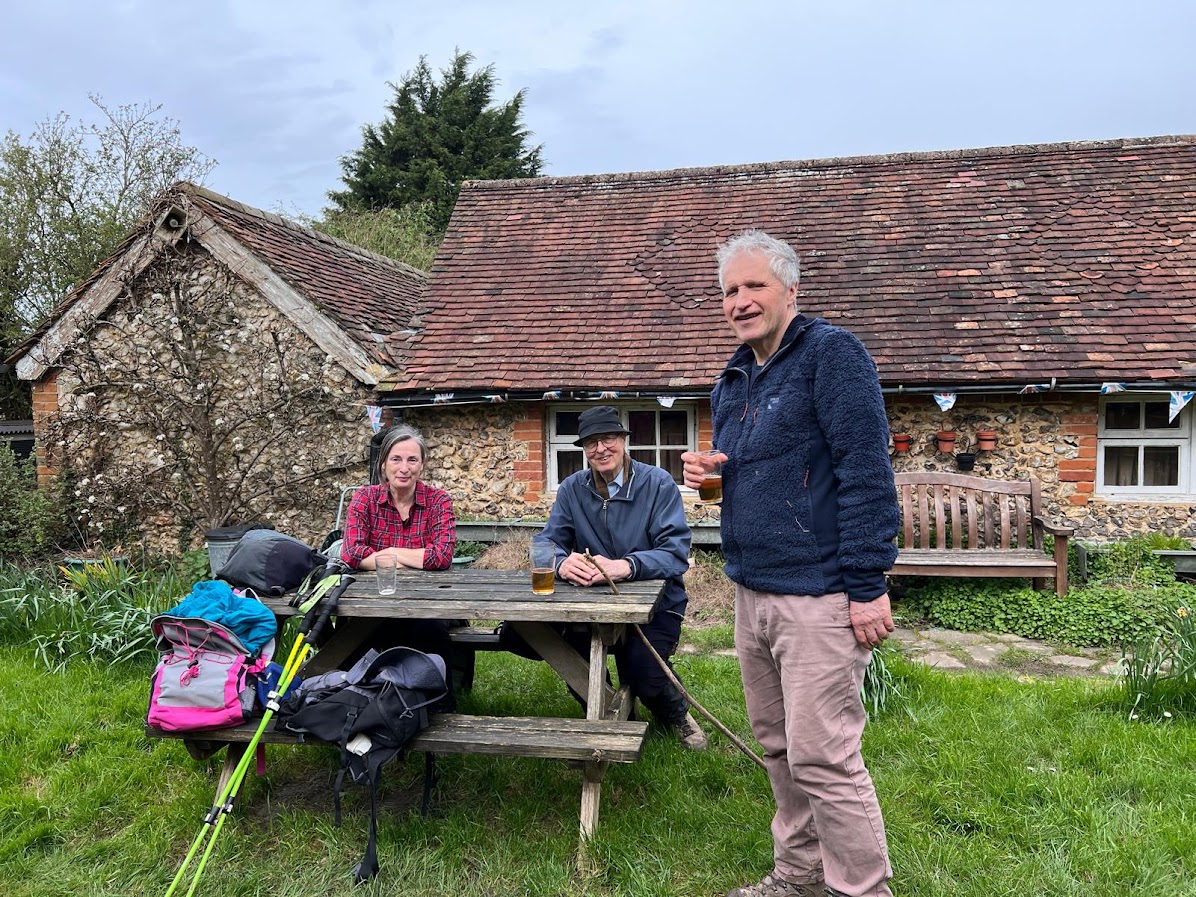
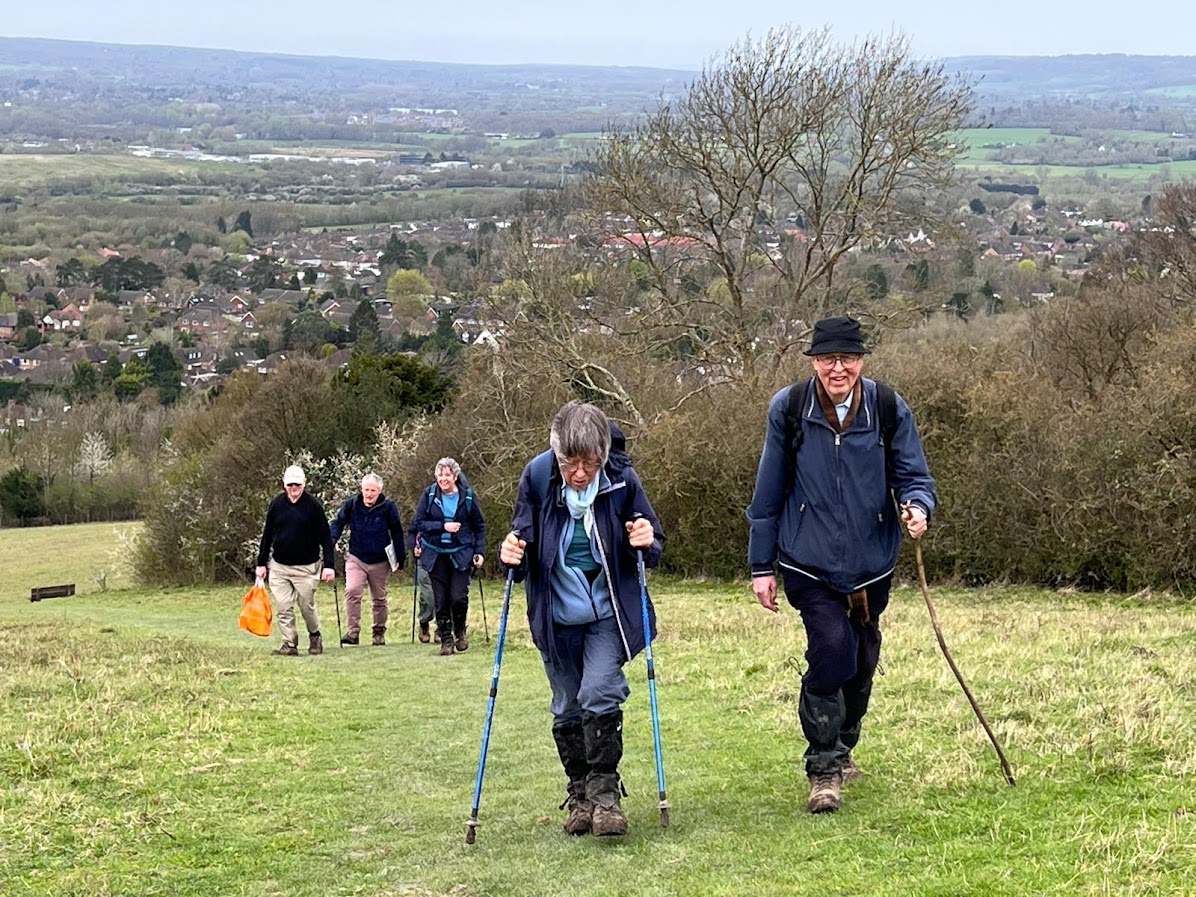
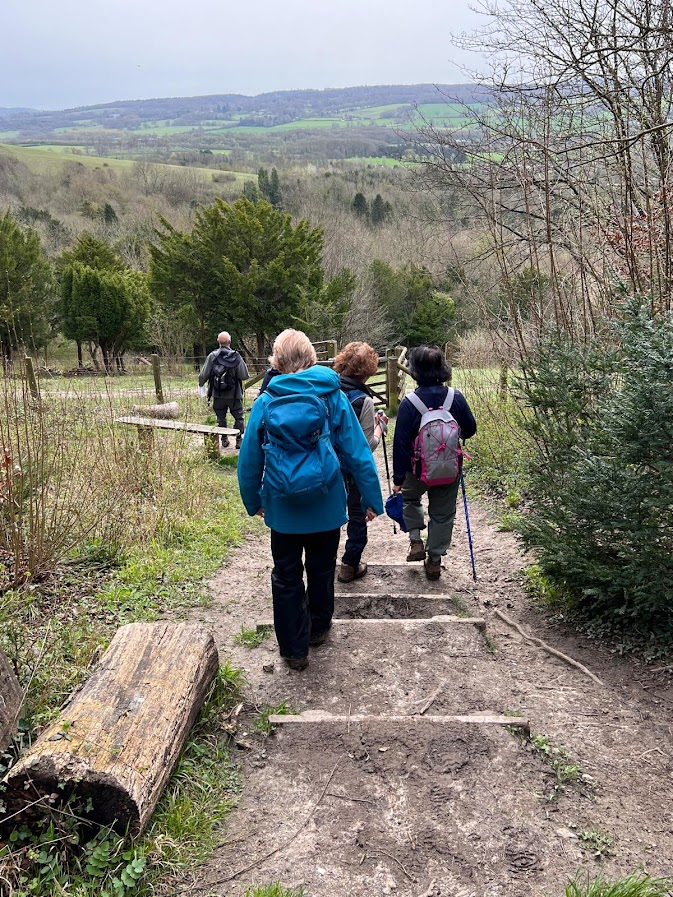
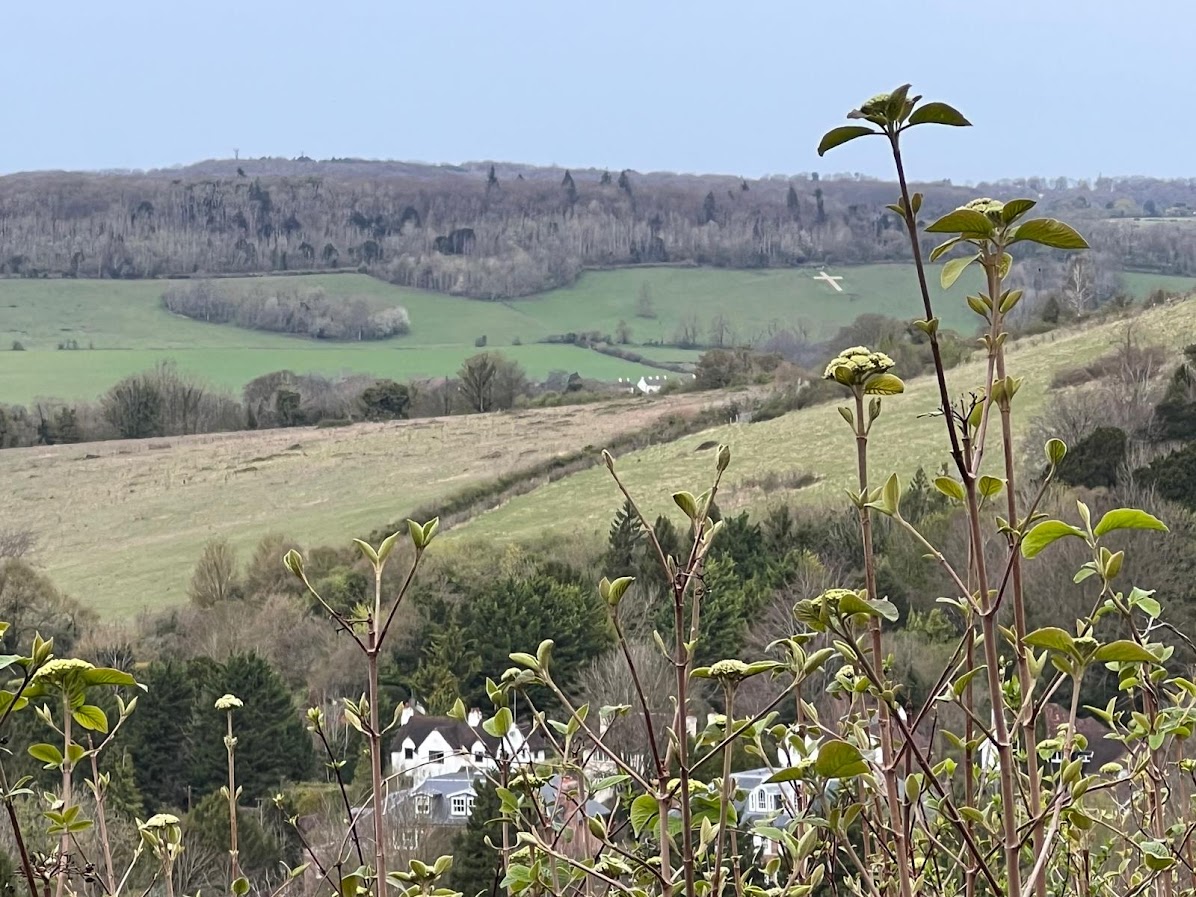
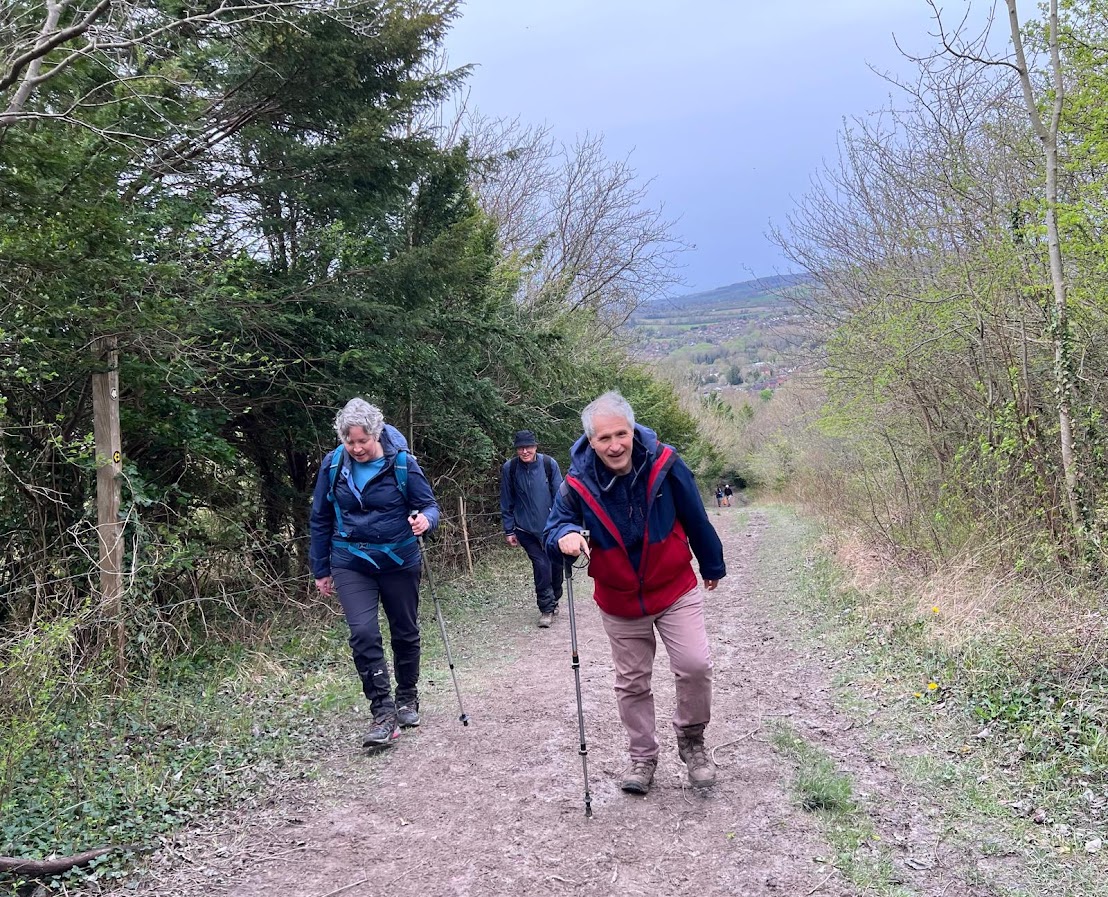
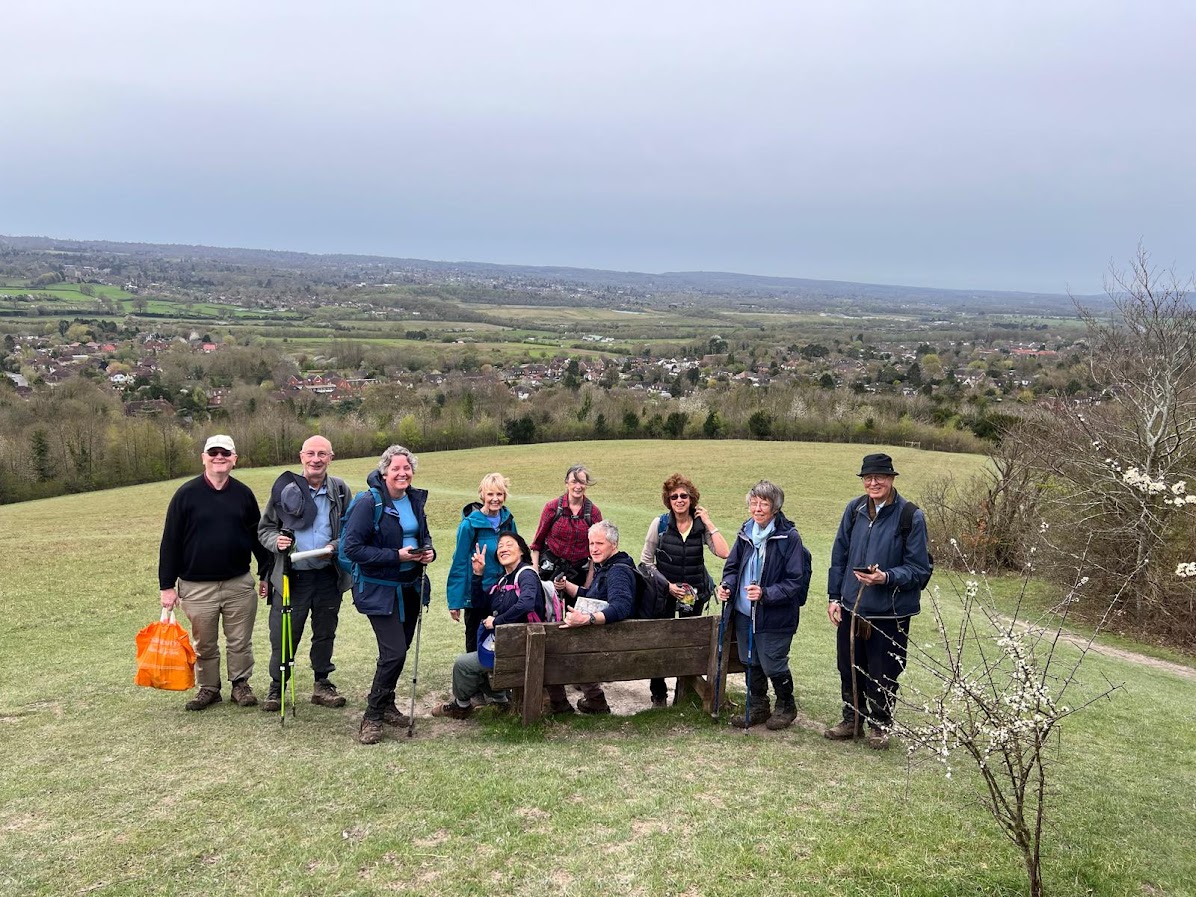
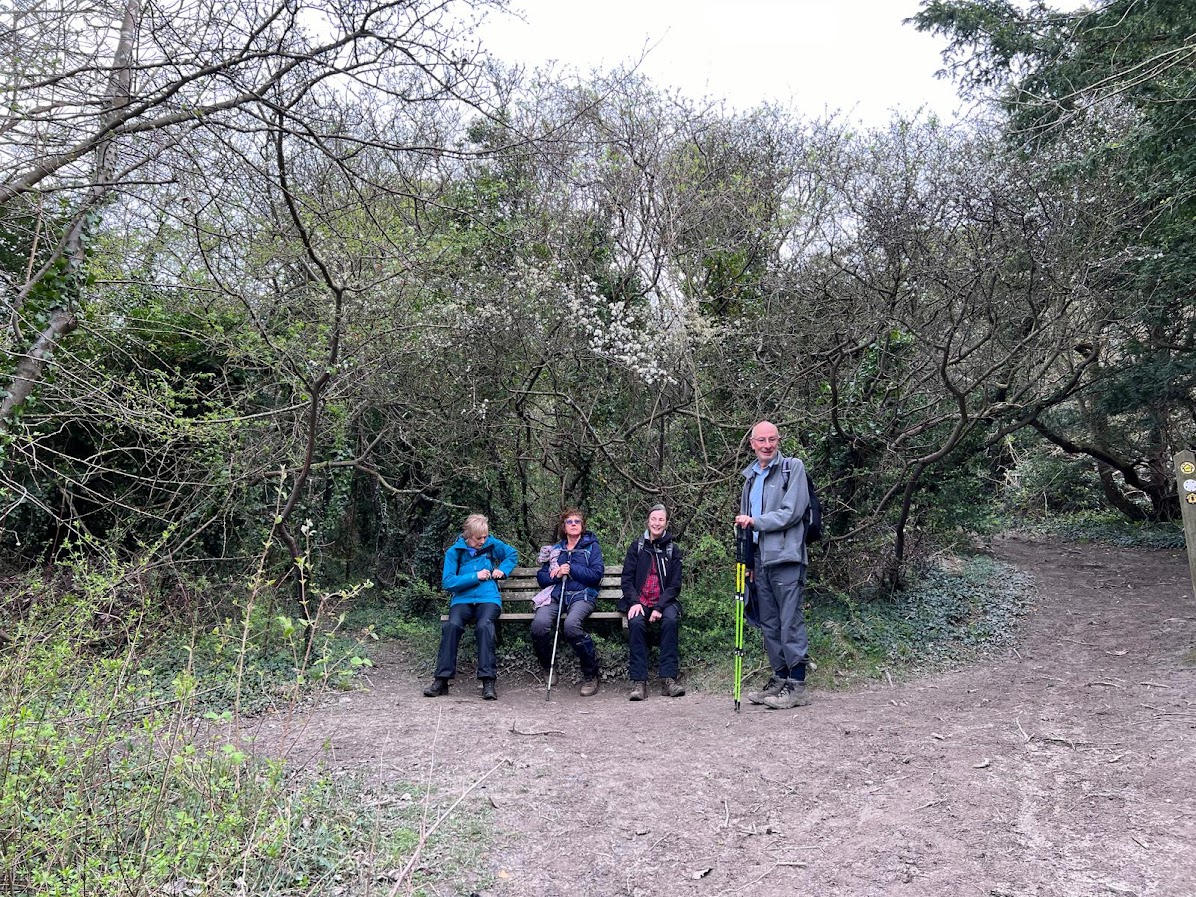
The weather brightened and we made good progress, following the Hangers Way via the village of Steep. We climbed the short but very steep Shoulder of Mutton Hill where we stopped for an early lunch by the memorial bench to the poet Edward Thomas and enjoyed a wonderful view of the South Downs. The path took us down to Hawkley and its Inn where we stopped for a welcome drink at the pub before continuing on.
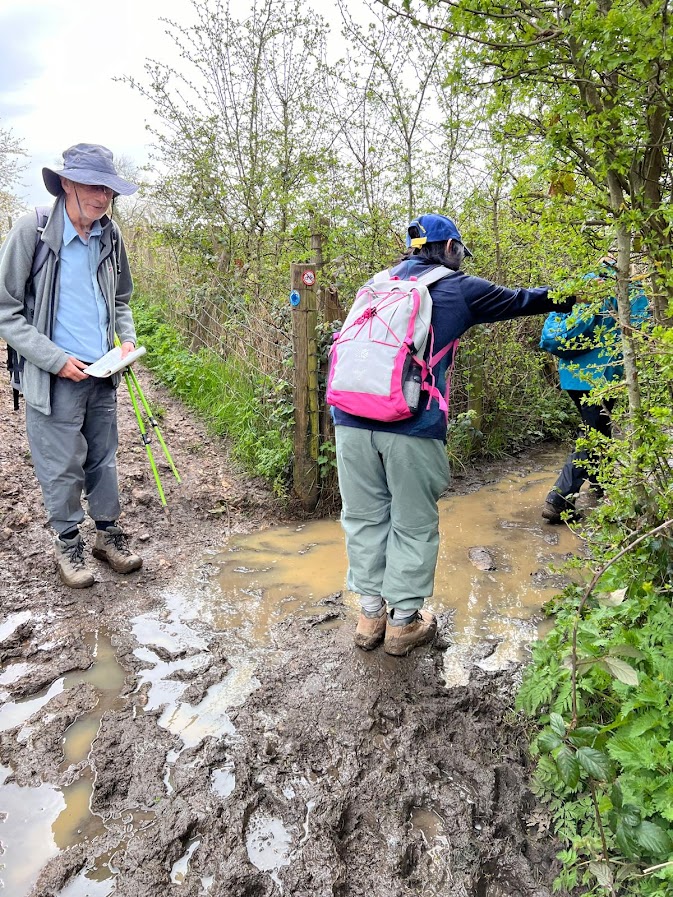
The next five miles went through quite muddy rutted paths interspersed with fields and lovely views. The weather stayed dry until we reached Liss station when the heavens opened while we waited for the 17.38 bus to Guildford. We just made the 19.04 train to Waterloo and were all home by 21.00.
All agreed it was a lovely walk, despite the transport problems and hopefully can be put on the programme again in a couple of years once the railway engineering works are finally completed !
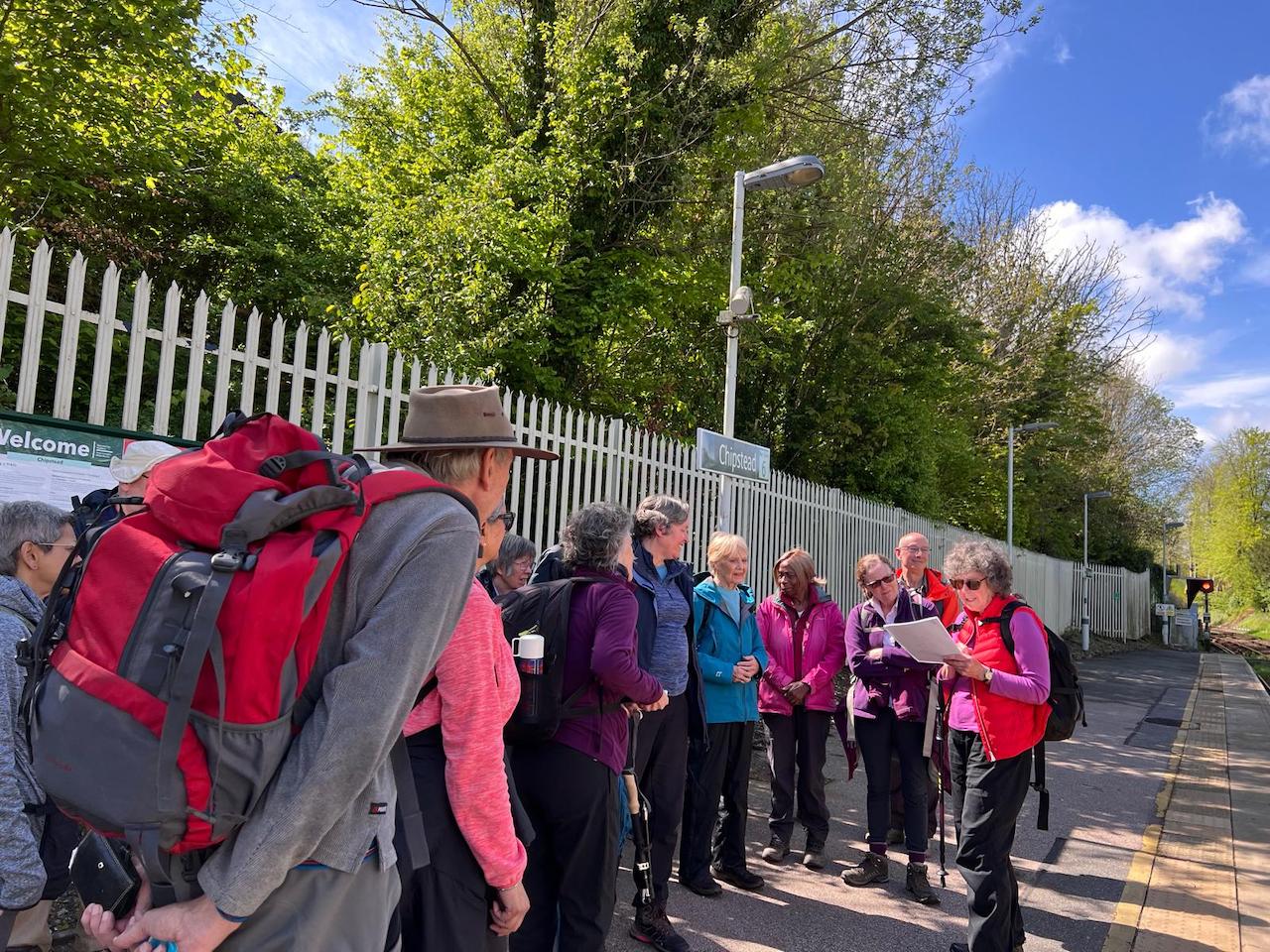
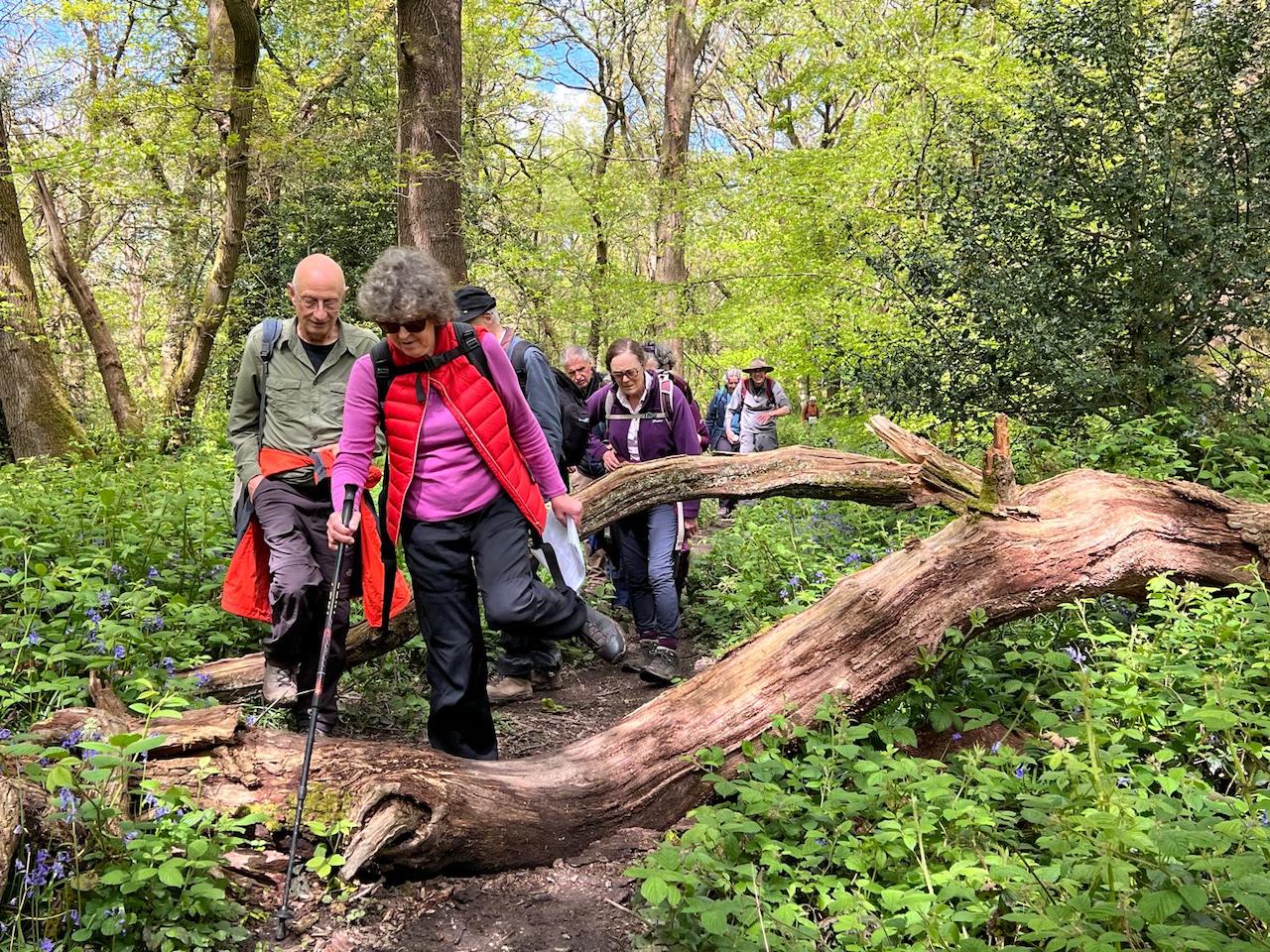
Seventeen Polyramblers gathered for an undulating 9.5 mile walk through ancient woodland, open downs and farmland in London’s Green Belt all within zone 6.
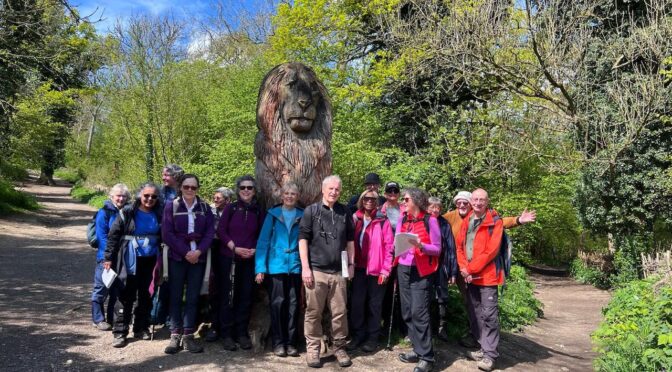
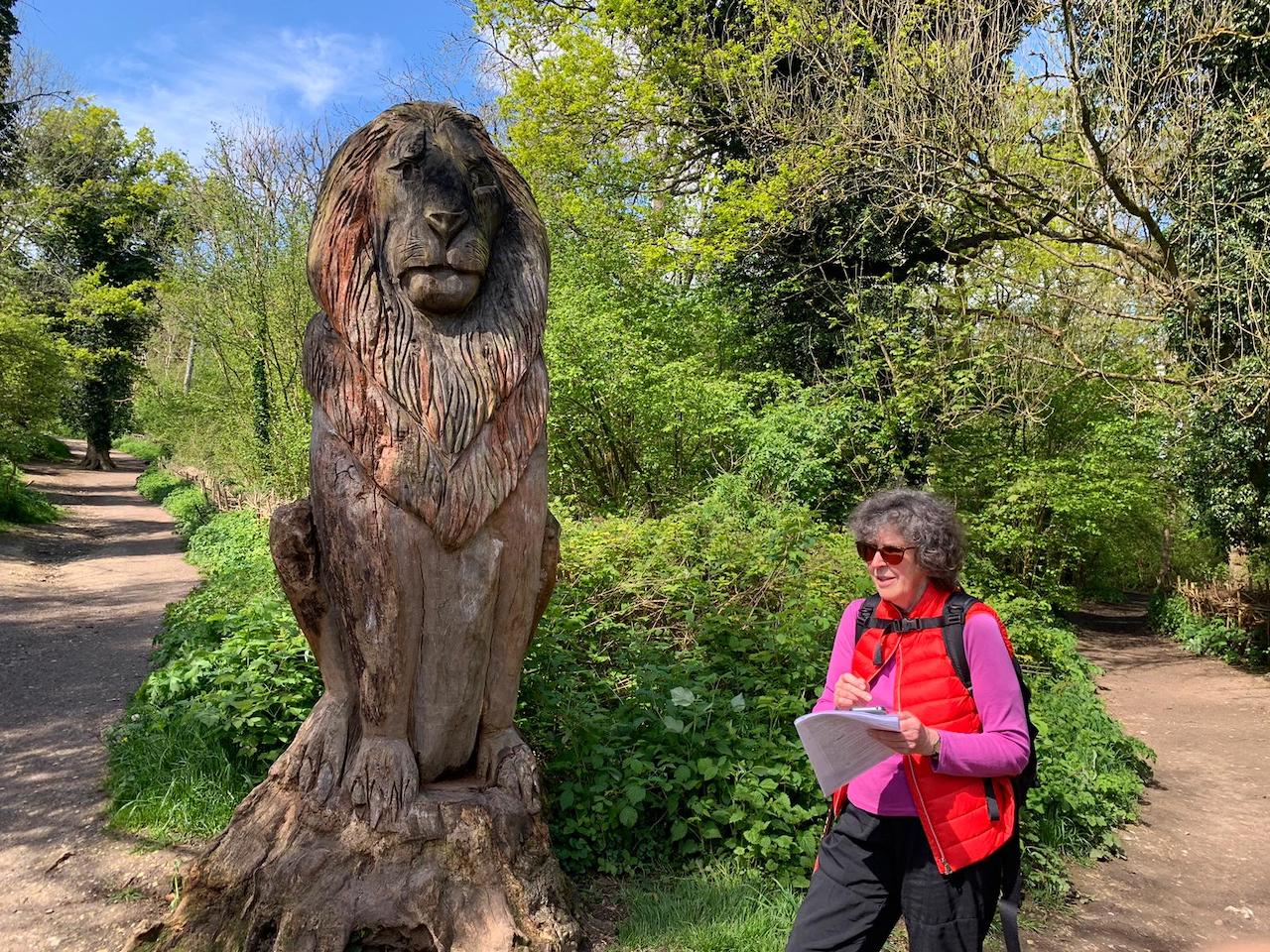
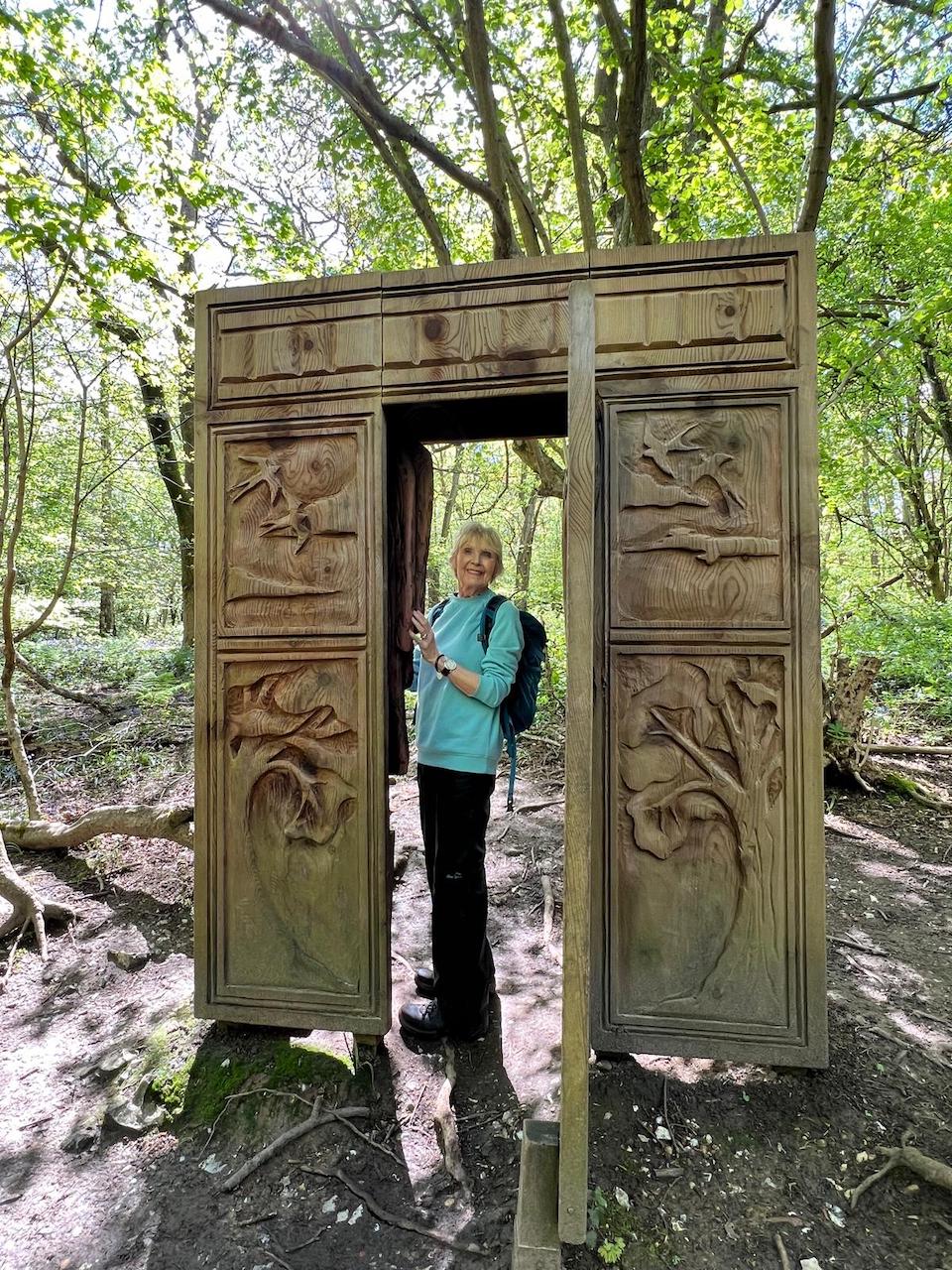
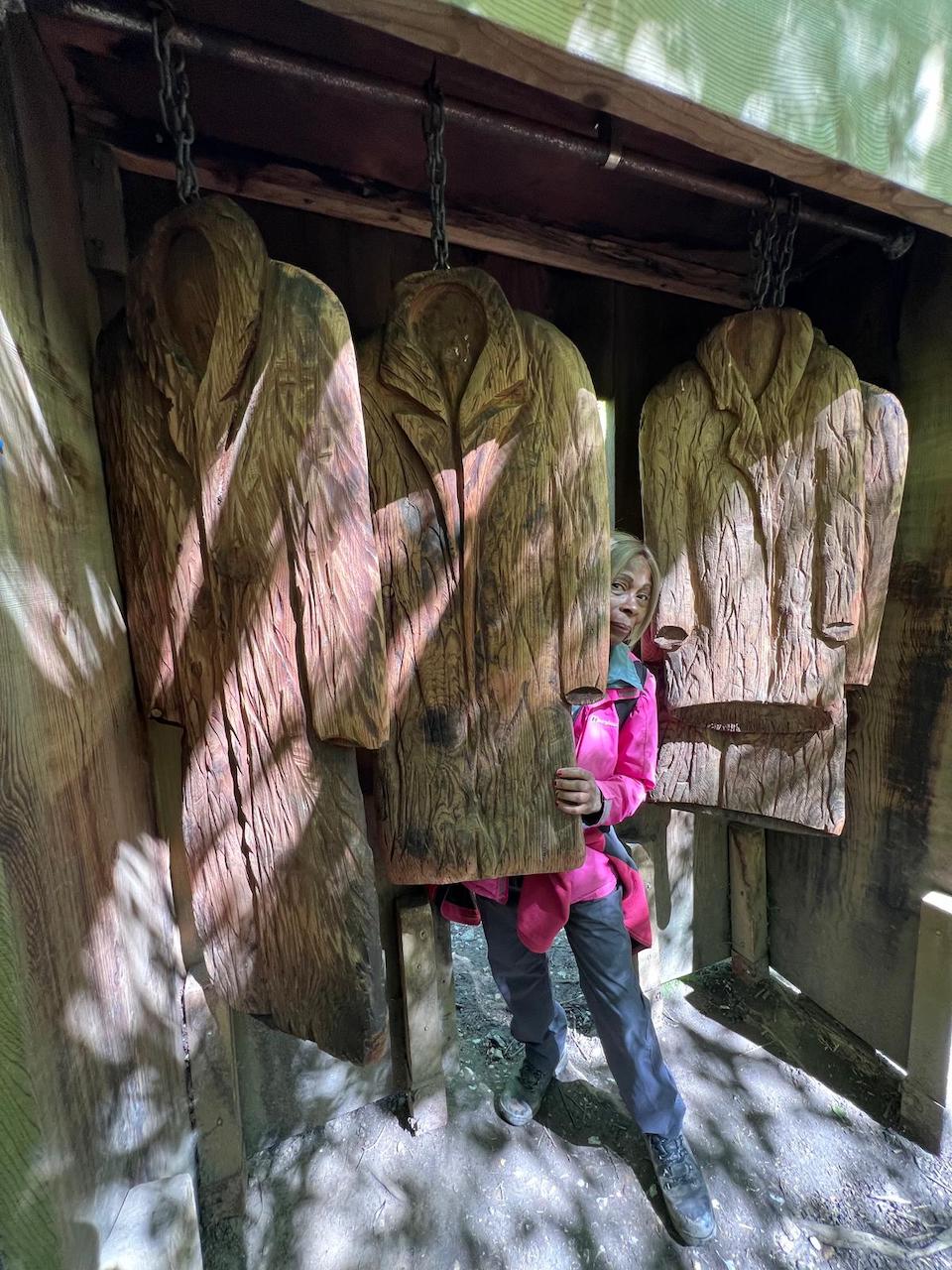
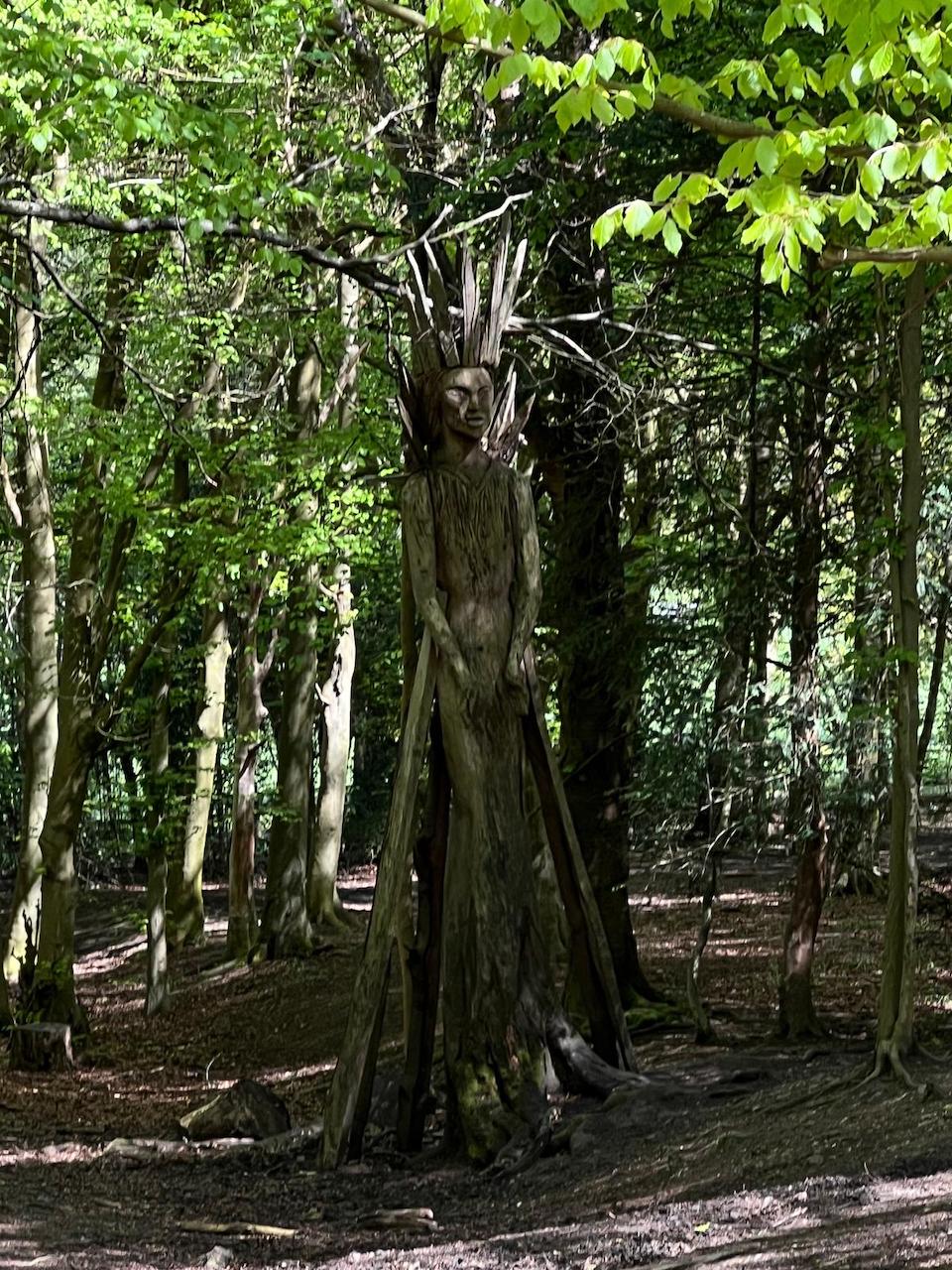
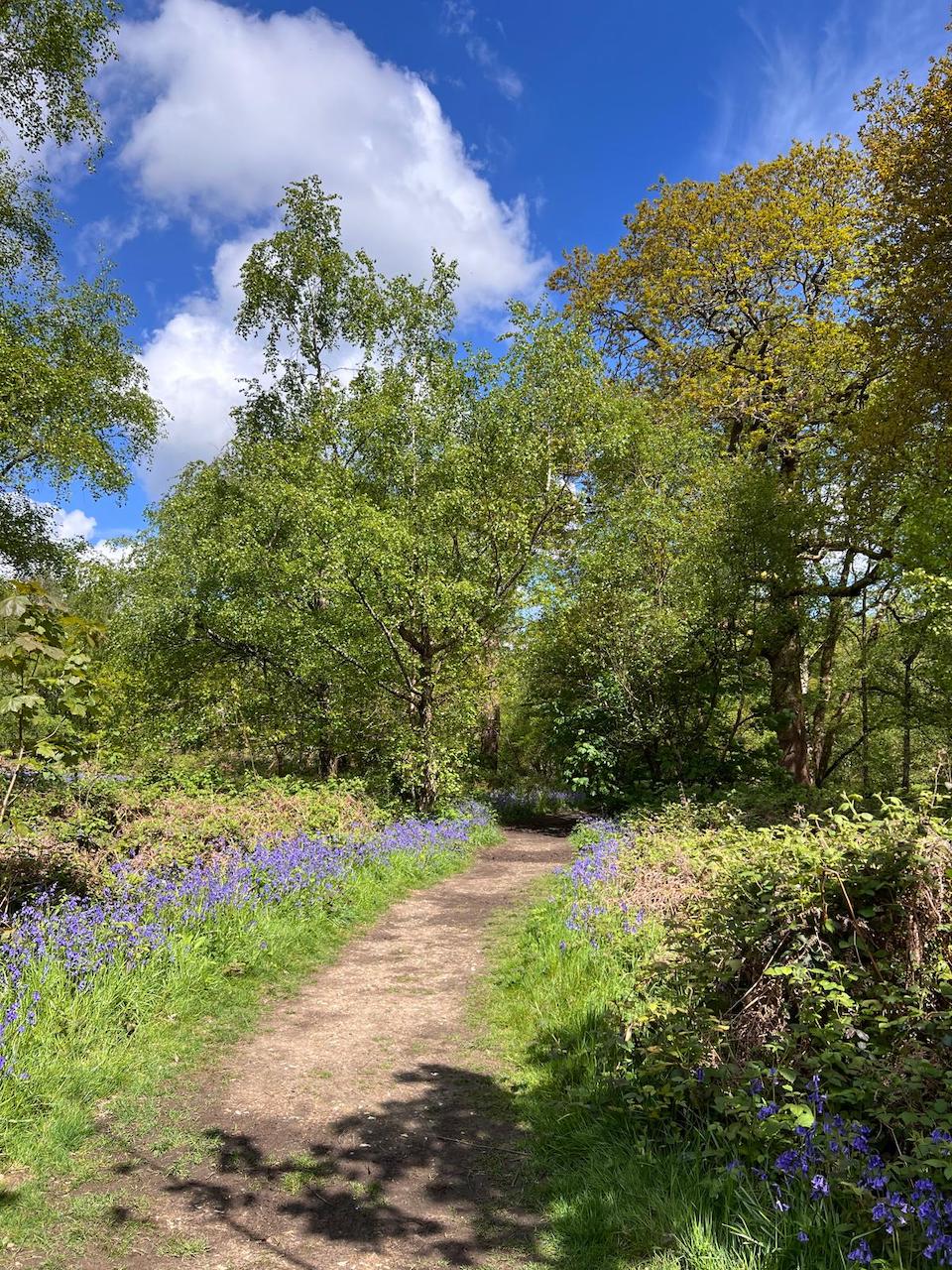
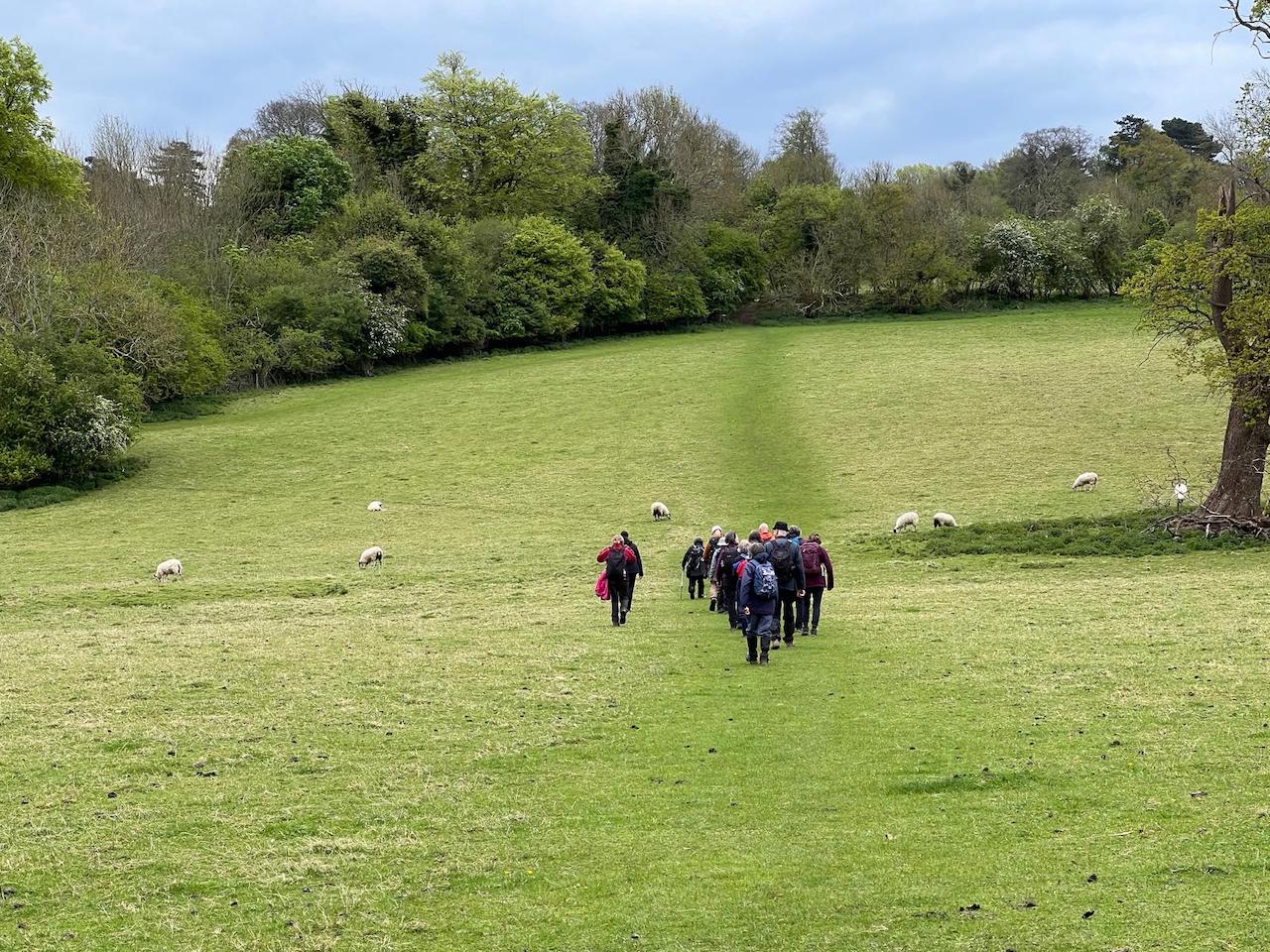
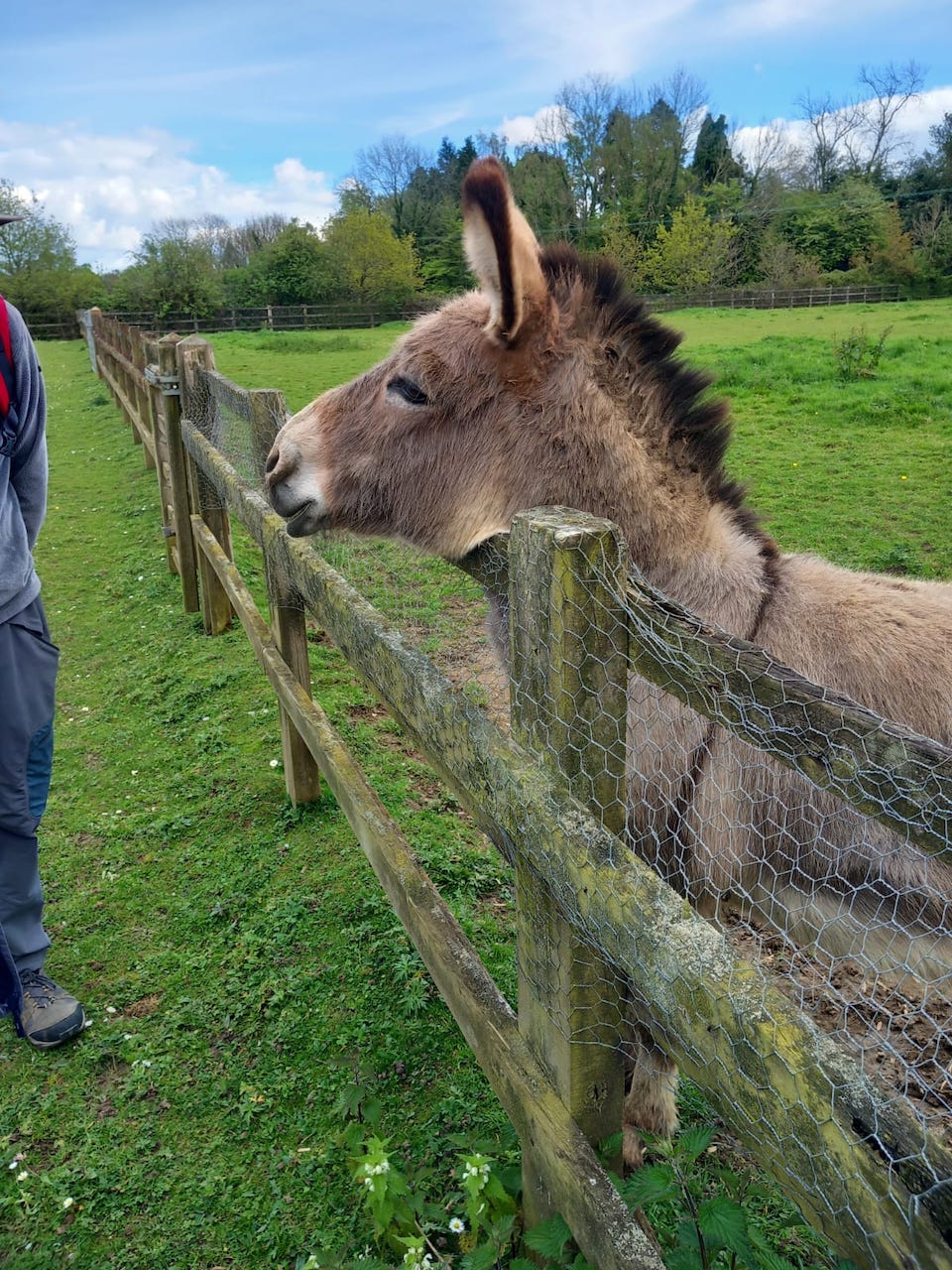
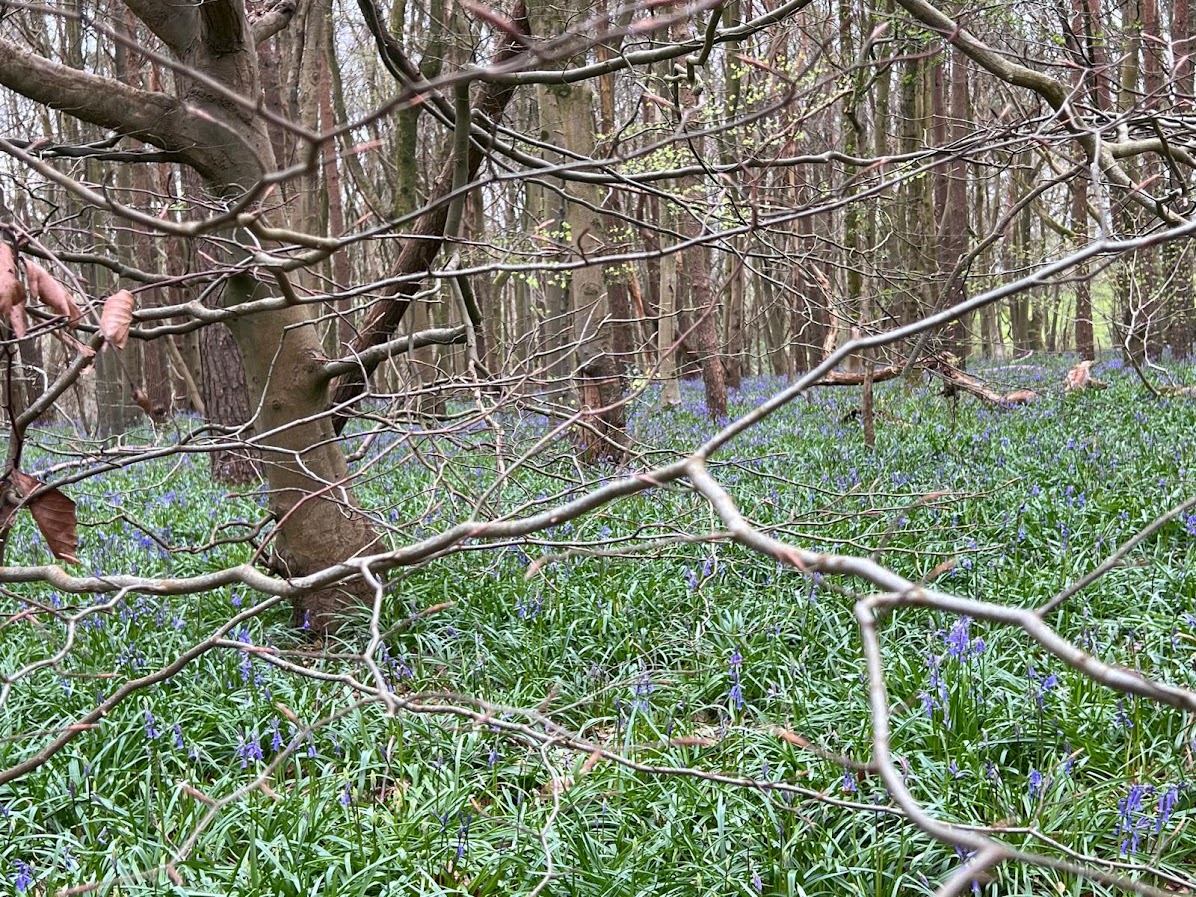
Initially we followed part of the Banstead Woods Nature Trail which is an ancient woodland full of English bluebells and containing three sculptures illustrating the C. S. Lewis Narnia books. Leaving the trail we picnicked on a grassy slope of Stagbury Downs with fine views across Chipstead valley. After carefully crossing a railway line we walked through an open valley in Shabden Park and across a golf course to the Well House Inn for a welcome if noisy drinks break. Suitably refreshed we walked through a remote area of country lanes, narrow paths and through the paddocks of Southerns Farm where two friendly donkeys came to say hello.
Our return route took us along a woodland path through Shabden Park’s Long Plantation, along the southern edge of Banstead Wood and across farmland. We passed Kingswood House, an abandoned head office building, and reached Kingswood station for our journey home.
Thanks to Ida and Nita for the photos and to Carol for the scrumptious bliss balls.
Biggleswade: (PIchelesuuade 1086 (DB), Bicheleswada 1132.
‘Ford of a man called Biccel’.)
Sandy: Sandeie 1086 (DB) ‘Sandy Island’
Walkers arrived at Biggleswade by train and car. There was a slight delay waiting for one. Group briefing including alerting walkers to the ‘Guide for Walkers’ on the club website. Brief street walk to get out of town and under A1 and then we were crossing arable fields, which on the walkover were just bare earth, sometimes extremely waterlogged, now full of sprouting crops and in places adorned with QR codes to inform us what was growing there. Very useful for enquiring townies! First area of interest – the Broom East Wildlife Conservation Site, which is part of a former sand and gravel quarry, restored as a wildlife site after mineral extraction ceased in 2017. Here and in other areas along the walk there were quite a few ponds and fishing lakes presumably formed in the gravel pits. There were also lovely red/brown cattle moodily munching their hay, possibly not allowed to wander the soggy fields to protect their hooves. We not only heard but even saw a lark singing heartily above us. Continue reading Biggleswade to Sandy walk 20th April 2024→
The early start and length of this walk meant that we were small, keen group of walkers but our efforts were greatly rewarded with beautiful weather and a lovely long walk.
We made our way out of Oxted on familiar and beautiful paths through spring woodland with plenty of bluebells, celadines, wood anemones and wild garlic. There were views over to the South Downs & fields with sheep with lambs basking in the unexpected warmth and sunshine. At the Carpenter’s Arms at Limpsfield Chart we diverged from former trails and went into more woodland hoping to see a natural pond which, the previous year, had been heaving with frogs doing their best to pass on their genes to future generations. This year it was completely frog-free which was worrying. Possibly it had dried up last summer and was no longer a good place for them and as we know, amphibians are extremely sensitive to changes in their environment. Sadly, we continued on our way to Westerham where we sat on the Green, in the sunshine and then did our bit to keep the local tea shop going. Continue reading OXTED CIRCULAR – 13 APRIL→
Eleven ramblers gathered to partake in what had been advertised as a very muddy walk by myself after a recce earlier in the week. I was most disappointed to find two days of dry weather had made the ascent up the North Downs and a final descent much easier!
After leaving Otford we had some fine views from the North Downs Way path of Kemsing and the Weald on our way to Cotman’s Ash and the barely surviving, quaint Rising Sun pub which dispensed beer from polypins. The pub served no food, but we were able to eat our sandwiches in the pub garden that had two lovely Magnolias and several chicken hatches in its grounds.
After leaving the pub we had to negotiate a route through an abandoned overgrown golf course where my walking guide, google maps and OS map offered little help! Fortunately, Jo’s OS app rescued the day! We carried onto Romney Street towards Shoreham and enjoyed some great scenery crossing two valleys.
Geoffrey jumped ship at Shoreham station while the rest of us took the footpath along the Darent Valley back to Otford.